
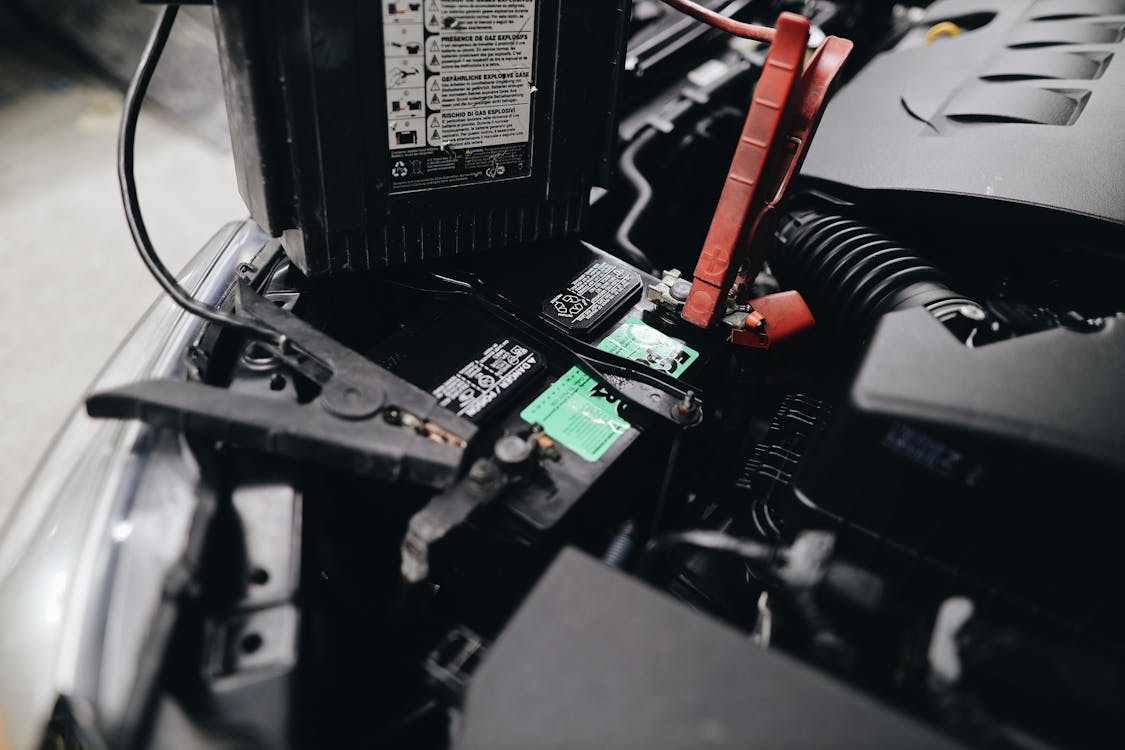
Corrosion on Your Battery Terminals: What It Means and How We Fix It
Pop your hood and look at the battery terminals. If you see a crusty white, blue, or green buildup around the cable connections, your battery is telling you something. That corrosion creates electrical resistance between the battery and the rest of the vehicle's electrical system, and it gets worse over time.
What Causes Terminal Corrosion
Battery corrosion comes from a few specific sources:
- Hydrogen gas venting: All lead-acid batteries release small amounts of hydrogen gas during charging. This gas reacts with the metal terminals, copper cable connectors, and ambient moisture to form corrosion deposits.
- Sulfuric acid fumes: The electrolyte inside your battery is a sulfuric acid solution. Microscopic amounts seep past the terminal seals and react with the lead posts and copper connectors.
- Overcharging: A faulty voltage regulator or aging alternator can push too much current into the battery, causing excessive gassing and accelerated corrosion. This is especially common in Oklahoma heat, where charging systems already work overtime.
- Loose or damaged terminals: A poor connection generates heat and arcing, which speeds up the chemical reaction that creates corrosion.
Blue-Green vs. White Buildup
The color of the corrosion tells you something about the chemistry. Blue-green corrosion is copper sulfate, formed when sulfuric acid reacts with the copper in your battery cables and clamps. White corrosion is typically lead sulfate or aluminum sulfate, depending on whether it's forming on the lead post or an aluminum component. Both types are problematic and need to be cleaned.
How Corrosion Affects Starting
Your starter motor draws 100 to 300 amps when cranking the engine. Corrosion on the terminals adds resistance to that circuit. Even a thin layer can reduce the voltage reaching the starter by a full volt or more — enough to turn a strong crank into a sluggish groan. Heavy corrosion can prevent starting entirely, even with a fully charged battery.
Our Cleaning Process
When we service corroded battery terminals, we follow a thorough process:
- Disconnect the negative cable first, then the positive
- Neutralize the acid corrosion with a baking soda and water solution
- Scrub the terminal posts and cable clamps with a wire brush tool designed for battery terminals
- Inspect the cables for internal corrosion — if the copper strands are green inside the insulation, the cable needs replacement
- Apply anti-corrosion felt washers and terminal protector spray
- Reconnect positive first, then negative, and torque the clamps properly
When Corrosion Means a Bigger Problem
Recurring heavy corrosion — the kind that comes back within a few months of cleaning — usually means the battery itself is failing or the charging system is overcharging. We test both on-site with a digital battery analyzer and multimeter to find the root cause.
Battery terminal service is quick and affordable, and we do it at your location. Book online now or call OKC Mobile Auto at (405) 295-0635.
Not sure whether this applies to your vehicle? Describe the symptoms in our free AI diagnostic tool and get likely causes, urgency and a repair estimate in about a minute — or browse more battery and repair guides.
Ready for a New Battery?
We deliver and install at your location. Starting at $99. Same-day available.
Mobile Battery Replacement →