
Stop Corrosion
Before It Stops You.
Battery corrosion is silent, gradual, and preventable.
We protect your battery at your location.
What Causes Battery Corrosion?
That crusty buildup on your battery terminals isn't random. It's chemistry — and Oklahoma's climate makes it worse.
Hydrogen Gas
Normal battery charging releases hydrogen gas through the vents. When it contacts the metal terminals and ambient moisture, it triggers a corrosive chemical reaction that deposits crystallized residue over time.
Acid Fumes
Sulfuric acid vapors escape through battery vents and react with the copper and lead in your terminals. The result is that familiar blue-green or white crystalline buildup that chokes your electrical connections.
Overcharging
A failing voltage regulator or faulty alternator pushes too much current into the battery. This causes excessive gas production and electrolyte boil-off, dramatically accelerating terminal corrosion.
Age
As batteries age, internal seals degrade and case material weakens. Micro-cracks allow more acid vapor to escape, and older batteries produce more hydrogen during charging cycles.
Oklahoma Heat
With summer temperatures regularly exceeding 100°F, Oklahoma accelerates every chemical reaction happening at your battery terminals. Heat increases off-gassing, evaporates protective coatings, and shortens battery life by 30-40%.
Types of Battery Corrosion
Not all corrosion looks the same — and each type tells a different story about what's happening under your hood.
Blue-Green Buildup
Found on copper clamps
This is copper sulfate — formed when sulfuric acid vapor reacts with the copper alloy in your battery clamps. It's the most common type and indicates normal acid off-gassing. Left unchecked, it creates high-resistance connections that starve your starter motor.
White Powdery Coating
Found on lead terminals
White crystalline deposits are lead sulfate, and they often signal that your battery is chronically undercharging. This can point to a weak alternator, parasitic drain, or a battery that's losing its ability to hold a full charge.
Fuzzy Green Growth
Spreading to cable insulation
When corrosion migrates beyond the terminals and starts creeping along cable insulation, you have an advanced problem. The acid is literally eating through protective coatings. This stage requires immediate attention before cables need full replacement.
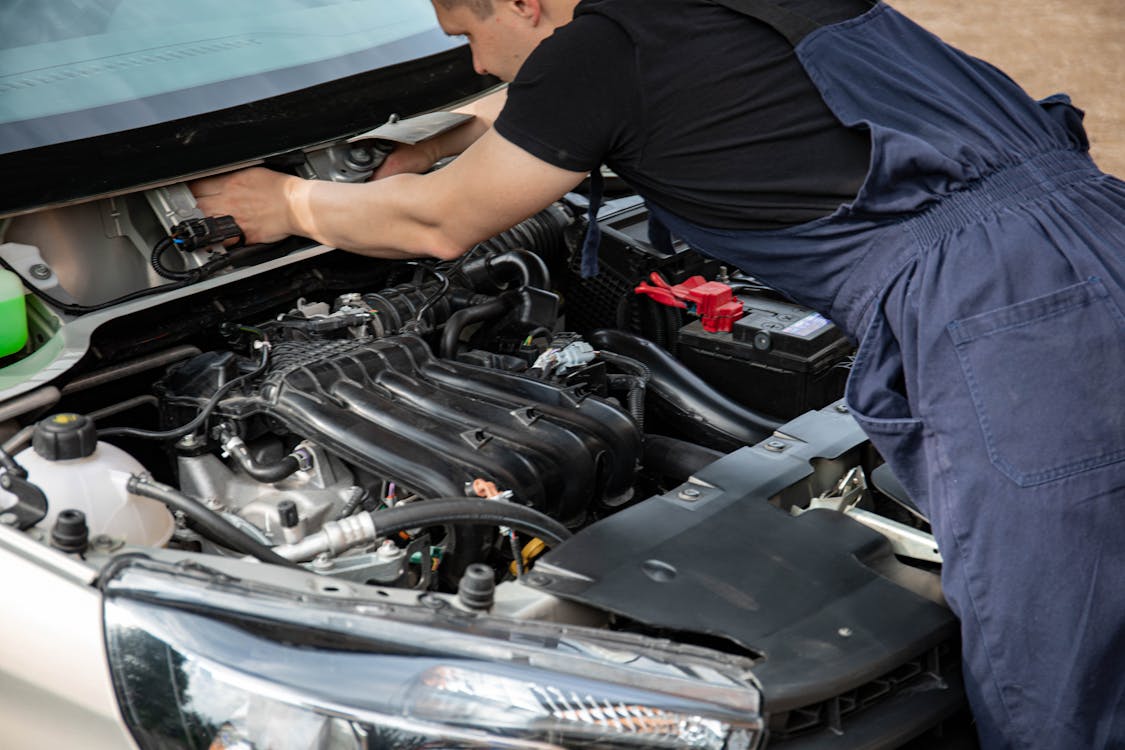
Our Prevention Treatment
A thorough, multi-step process that doesn't just clean — it protects.
We examine every connection point for existing damage, wear, and corrosion severity.
Existing buildup is carefully cleaned using professional-grade neutralizing solution and wire brushes.
A specialized anti-corrosion spray creates a protective barrier that resists acid vapor.
Chemical-treated felt pads installed at each terminal absorb acid vapors before they reach metal.
High-quality dielectric grease seals connections against moisture — the catalyst for corrosion.
We test your alternator output and voltage regulator to rule out overcharging as a root cause.
How Often Should You Check?
We recommend a corrosion check every 6 months, or immediately if you notice any buildup. In Oklahoma's extreme heat, batteries corrode faster than in cooler climates. An ounce of prevention saves you from a no-start morning.
! = Peak corrosion risk seasons in Oklahoma
Protect Your Battery Investment
Book Now →Frequently Asked Questions
Is battery corrosion dangerous?
Yes. The white and blue-green deposits contain sulfuric acid compounds that can burn skin on contact and damage paint, clothing, and surrounding engine components. Always wear gloves if you're inspecting your battery — or better yet, let us handle it. We have the proper safety equipment and neutralizing agents.
Can corrosion drain my battery?
Corrosion increases electrical resistance at the terminal connection. This means your alternator has to work harder to charge the battery, and the battery itself never receives a full charge. Over time, this cycle weakens the battery and can absolutely lead to a dead battery — especially on cold mornings when your engine needs maximum cranking power.
Does corrosion mean I need a new battery?
Not always. Surface corrosion is often just a maintenance issue that can be cleaned and prevented from returning. However, if corrosion is severe, recurring quickly after cleaning, or accompanied by other symptoms like slow cranking, we'll test your battery with a professional load tester and give you an honest assessment. Sometimes a $20 cleaning saves a $200 replacement.
Don't Wait For a No-Start Morning
Professional corrosion prevention at your location. We come to you — home, office, or parking lot.