
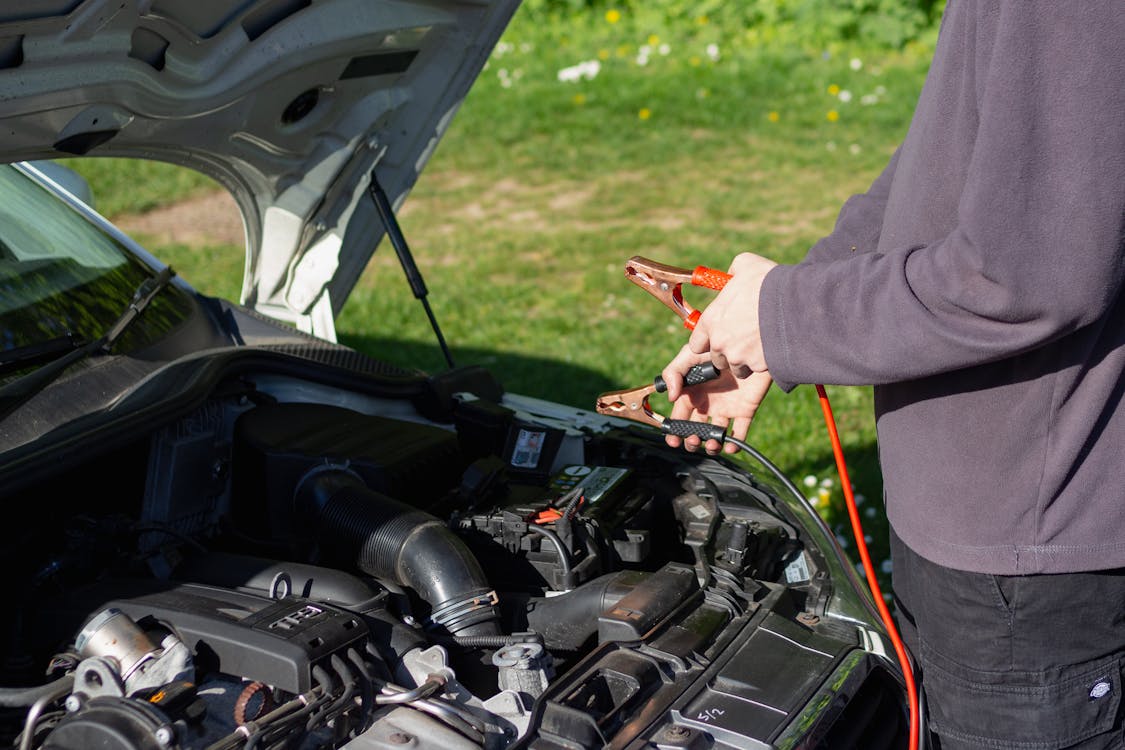
Jump Start vs. Battery Replacement: Which Do You Actually Need?
Your car won't start. The dash lights are dim, the starter clicks or groans, and you're already running late. The first question is simple: do you need a jump start or a whole new battery? The answer depends on why the battery died in the first place.
When a Jump Start Is Probably Enough
A jump start gets you going by borrowing power from another battery to crank your engine. Once the engine is running, the alternator recharges your battery. A jump is likely all you need if:
- You left the headlights or dome light on overnight. A healthy battery that was simply drained by parasitic draw will recharge fully once the engine runs for 20 to 30 minutes.
- It's a one-time event on a cold morning. Oklahoma's cold snaps can drop overnight temps below 15 degrees. A battery that's marginal at 40 degrees fails at 15 because cold reduces its available cranking power by 30 to 40 percent. If it starts fine after a jump and doesn't repeat, the battery may have enough life left.
- The battery is less than two years old. A relatively new battery that goes dead once is more likely to have been drained than to have failed internally.
When You Need a Replacement
Jump starting a battery that's actually failed is throwing money at a temporary fix. Signs that the battery itself is done:
- Repeated dead starts: If you've jumped the car twice in the last month, the battery isn't holding a charge. Driving around on a bad battery overworks the alternator and can burn it out — a $400 to $600 repair on top of the battery cost.
- Slow cranking every morning: The engine turns over slowly even after driving the night before. This means the battery isn't accepting a full charge anymore.
- The battery is 3+ years old in Oklahoma: Given our heat, a battery past three years is on borrowed time. A failed load test confirms it.
- Swollen battery case: A bloated or bulging case means internal overheating has damaged the cells. This battery needs to come out immediately.
- Failed load test: A professional carbon pile or electronic load tester puts the battery under a controlled load and measures voltage drop. A battery that drops below 9.6 volts during a load test at 70 degrees is done.
How We Test On-Site
We carry a professional battery and charging system analyzer in our service vehicle. When we arrive, we test the battery's state of charge, run a load test, and check the alternator output and voltage regulator function. The whole diagnostic takes about 10 minutes and tells us exactly what's going on.
If you need a jump, we do it safely and verify the charging system is working. If you need a replacement, we install one on the spot — no tow, no shop, no second trip. We carry batteries for most common vehicles in stock.
Don't waste money replacing a good battery, and don't waste time jumping a dead one. Call OKC Mobile Auto at (405) 295-0635 or learn more about our mobile battery service.
Not sure whether this applies to your vehicle? Describe the symptoms in our free AI diagnostic tool and get likely causes, urgency and a repair estimate in about a minute — or browse more battery and repair guides.
Ready for a New Battery?
We deliver and install at your location. Starting at $99. Same-day available.
Mobile Battery Replacement →